What the Bin Remembers: Manchester 2013’s Material Afterlife and the 2026 Conference Audit
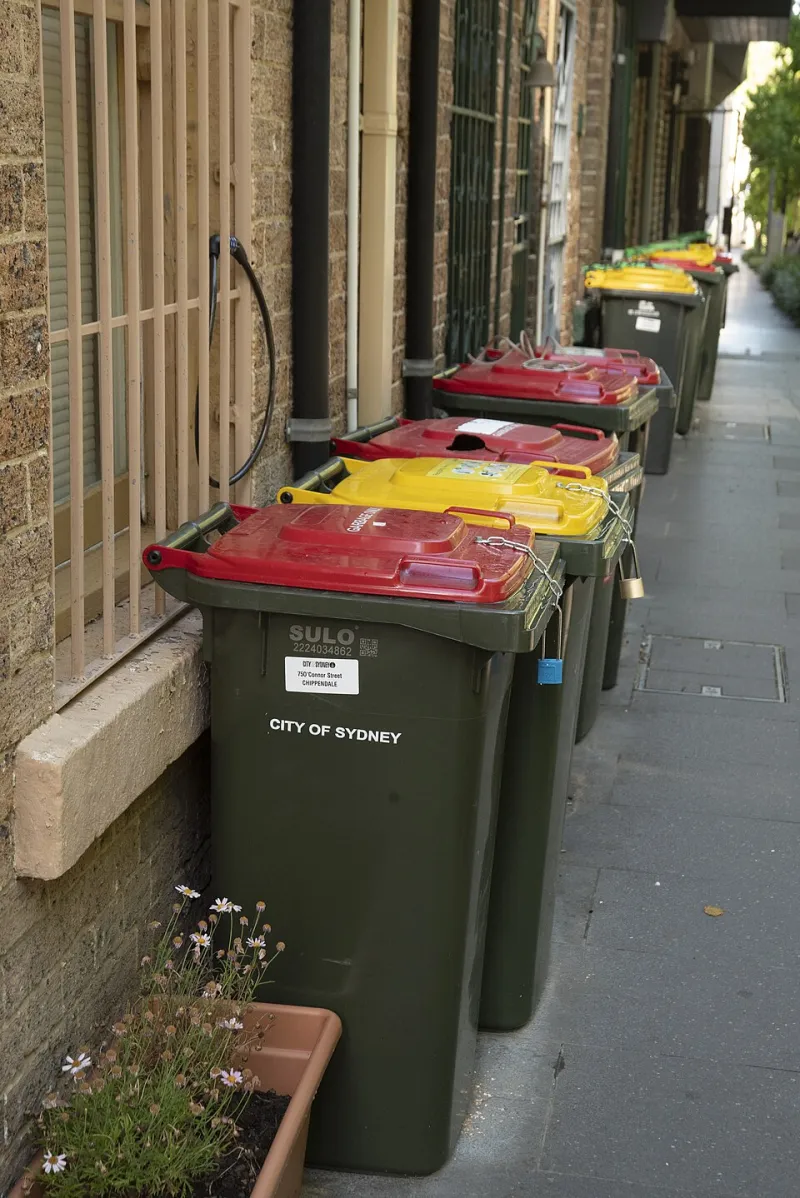
Photo: Gnangarra, CC BY 2.5 au, via Wikimedia Commons
Manchester 2013 is usually consulted for its intellectual content: the papers, plenaries, panels and arguments that made the congress a landmark in UK anthropology. The material record tells another story. Printed programmes, lanyards, delegate bags, catering orders, venue plans and disposal notes describe what the conference consumed and discarded. Read together, these fragments form an incomplete waste trail — not a comprehensive environmental ledger, but a useful prompt for 2026 conveners who need to make sustainability claims that can be defended.
The Archive as an Unfinished Waste Ledger
Waste is rarely collected as evidence. Conference organisers keep programmes because they document scholarship; they seldom keep bin weights because they document failure. The IUAES 2013 Archive therefore cannot offer a neat environmental balance sheet. What survives is selective: a programme retained in a delegate folder, a lanyard visible in a photograph, a venue plan showing where catering stood, a supplier invoice listing cup quantities. These are not neutral traces. A pristine programme was never rubbish; a lanyard in a photograph may have been reused for years. Survival bias matters, and any 2026 audit that treats archival scraps as a full inventory will overstate some waste streams and miss others entirely.
The better use of the Manchester record is interrogative. It allows 2026 conveners to ask what was procured, what was designed to be discarded, and what systems existed for recovery. Those questions are more useful than a fabricated tonnage figure.
Counting Procurement Before Counting Waste
Most conference waste is decided before delegates arrive. Print runs, bag orders, badge stock, signage and catering guarantees are procurement choices, and they set the upper limit of what can later become waste. If a programme print run was set to registered delegates plus a margin, surplus was built into the design. If lanyards were ordered without a return scheme, their afterlife was left to chance. If signage was dated and venue-specific, reuse was unlikely.
A 2026 sustainability audit should therefore begin with purchase orders, not bins. Record quantities, materials, recyclability and any stated reuse plan. Compare those figures with delegate numbers and with the number of sessions actually delivered. The Manchester 2013 record is most reliable at this procurement level: it can show what was ordered even when it cannot show what was thrown away.
What Recycling Figures Can and Cannot Say
Recycling data is institutional before it is anthropological. A venue contractor may report tonnage by waste stream, but that figure does not describe delegate behaviour. It cannot distinguish a carefully sorted cup from a contaminated bag of mixed recycling. It cannot show whether a programme was read, abandoned or taken home. High recycling rates can coexist with high total waste, and different UK contractors use different definitions, making comparison between venues precarious.
For 2026 events, recycling percentages alone are a weak sustainability claim. More defensible measures include total waste per delegate, the proportion of waste avoided through reuse or digital substitution, and a composition sample from one clearly bounded period. A short sort of one bin at one refreshment break will not produce statistical elegance, but it will produce honest evidence.
Catering, Surplus and the Ethics of Estimation
Catering waste is especially difficult to reconstruct from archives. Receipts show food purchased, not food eaten. Buffet service encourages over-provision; pre-ordered catering shifts risk to the organiser; dietary forecasting is inexact. Manchester 2013’s refreshment intervals were social sites as much as nutritional ones, and their waste is therefore a social record too. Uneaten food points to mismatches between provision and attendance, between expectation and appetite.
A practical 2026 protocol would record catering numbers, over-order allowances and service style, then sample plate waste at one break. It would ask the caterer for disposal routes and consider surplus redistribution only where food safety and local arrangements permit. The aim is not to moralise about leftovers but to make estimation visible.
Reuse Is an Archival Act
Delegate bags, lanyards and printed programmes pose a particular problem: they are designed to be kept, but only some will be. Reuse schemes need collection infrastructure, storage and a plan for next year. Without those, a reusable object becomes a temporary gift with a delayed disposal cost.
Manchester 2013’s material afterlife suggests a modest rule for 2026: if an item cannot be collected, stored and reissued, its reusability is theoretical. Opt-in printed programmes, lanyard return points and generic rather than dated signage are not glamorous interventions, but they change the procurement question from what can be recycled to what need not be produced twice.
A Modest Protocol for 2026
Conveners can begin with five steps. First, baseline procurement: list every printed, plastic and catered item, with quantities and materials. Second, bound the audit: choose one day or one refreshment interval rather than claiming a whole-event figure. Third, weigh and sort a sample, recording contamination and avoidable items. Fourth, publish the method alongside the result, including what was not measured. Fifth, deposit the waste trail with the programme archive, so that future historians have more than a conference photograph and a delegate list.
The bin remembers what the programme forgets. Manchester 2013 cannot answer every question about its material afterlife, but its scraps make better questions possible. For 2026, that is the useful legacy: not a perfect carbon account, but a habit of counting what conferences leave behind.