Small Things, Serious Claims: Manchester 2013’s Unclaimed Items and the Work of Conference Care
Photo: Ahmad Ali Karim, CC0, via Wikimedia Commons
The lost-property ledger from Manchester 2013 is not the kind of document that usually attracts anthropological attention. It sits alongside registration-desk notes, claim slips and a handful of unanswered emails: a modest paper trail of chargers, spectacles, umbrellas and notebooks. Yet for the IUAES 2013 Archive, these remains are more than miscellany. They record the small dependencies through which delegates negotiated a week of academic business, and they expose a layer of conference infrastructure that programmes rarely name: care.
A Ledger of Small Dependencies
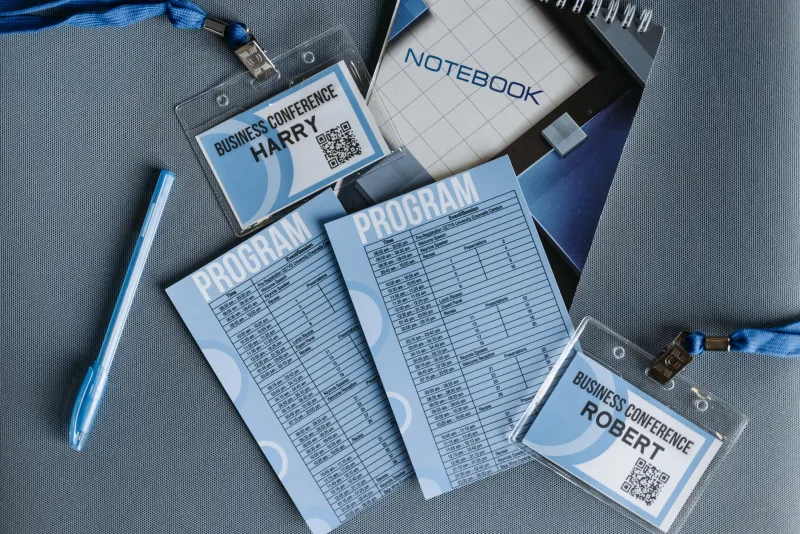
Read as a collection, the items fall into loose categories. There are power dependencies: phone chargers, laptop adapters and the occasional plug converter. There are optical ones: reading glasses, sunglasses and cases. There are weather items, which in Manchester require little explanation. And there are instruments of memory: notebooks, pens, folded programmes and loose pages of jottings. None of these objects is analytically grand on its own. Together, however, they sketch the practical conditions under which a conference is attended, not merely programmed.
A charger is not simply a forgotten object. It is a delegate’s connection to a paper, a train booking, a family message or the next day’s travel. Spectacles raise questions about access and dignity: losing them at a venue can turn an ordinary session into an exhausting negotiation with rooms, screens and signage. Umbrellas point to the ordinary exposure of moving between buildings in a UK city. Notebooks remind us that academic exchange still relies on improvised, personal recording practices, even in an age of digital capture.
The registration desk notes add texture. They record items left at the desk, held for collection, passed to venue staff or posted on. In this sense the desk became an informal help point: part security office, part lost-and-found service, part quiet source of reassurance. That work is rarely visible in the programme, but it is part of what makes a conference habitable.
Care as Infrastructure
Care is often treated as atmosphere — a matter of tone, hospitality or good manners. The Manchester 2013 record suggests it is better understood as infrastructure. A lost-property protocol is not a sentimental extra. It is a service-design decision with implications for access, privacy, sustainability and staff workload.
For 2026 conveners, the lessons are practical. A named coordinator should own the process, with clear collection hours and a secure place for valuables. Logging should record where and when an item was found, not just what it was. Collection should be discreet, especially where items may be assistive, personal or sensitive. In the UK context, where rain and rail disruption are reliable features of the conference season, umbrella and travel-item handling deserves more thought than it usually receives. So does the loan of spare chargers, which can prevent a minor oversight from becoming a day of lost notes and missed messages.
Sustainability is part of the same argument. Unclaimed items should not drift automatically into landfill or become a late burden on venue staff. A published cut-off date, a donation route and a clear disposal policy are modest measures, but they turn a neglected corner of conference administration into an accountable one. The alternative is the familiar pile of branded detritus that outlasts the event and quietly contradicts its claims to responsible practice.
What the Register Cannot Say
Archival caution is necessary. A lost-property ledger records objects, not identities. It cannot tell us which delegates were disabled, international, early-career, anxious or simply unlucky. It should not be over-read as a survey of need. Its value lies in triangulation: read alongside desk notes, venue correspondence and the programme, it shows where support work actually happened, even when it was not planned.
Privacy matters here too. Lost property can include items that identify a person or reveal a vulnerability. Any 2026 use of such records in teaching or archive interpretation should redact names, contact details and sensitive descriptions. The aim is not to turn a registration desk into a data-collection exercise, but to recognise care as a legitimate part of the conference record.
Lessons for 2026
Manchester 2013’s unclaimed items offer a modest but useful checklist. Designate responsibility. Log consistently. Store securely. Publish a collection and disposal policy. Treat reception staff as front-line colleagues whose workload is part of the event design. And resist the temptation to dismiss small things as beneath notice. In conference care, the small things are often the infrastructure.
For the IUAES 2013 Archive, the lost-property papers are a reminder that anthropological dialogue depends on mundane support. A delegate who cannot retrieve a charger, a pair of glasses or a notebook is not fully present to the exchange. Planning for that possibility in 2026 is not administrative fussiness. It is a practical claim about who is expected to belong, and what a conference is prepared to do to make belonging possible.