Margins That Teach: A 2026 Seminar Planner's Guide to Manchester 2013's Quietest Sessions
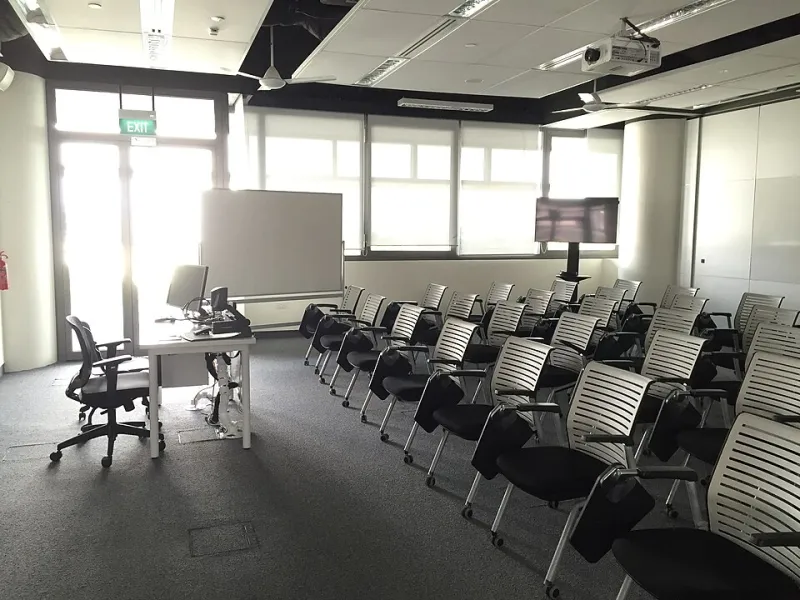
Photo: Smuconlaw, CC BY-SA 4.0, via Wikimedia Commons
Most conference programmes are read for their centre: keynotes, plenaries, the panels with familiar names. The Manchester 2013 archive rewards the opposite habit. The quietest slots — the lunchtime posters, the methodological clinics, the early-career panels at the end of a parallel stream — are often where the programme becomes useful for teaching in 2026. They are less polished, more provisional and closer to the arguments that seminar rooms can actually use.
This guide is written for UK anthropology lecturers planning modules and research-led seminars in 2026. It does not propose a canon of forgotten papers. It suggests a way of reading the archive as a set of teaching fragments: short, dated, argumentative materials that can be set beside contemporary debates without pretending that the 2013 event settled them.
Why the fringe matters
The fringe is not a minor appendix to the conference. It is where the programme shows its working. A poster slot compresses an argument into a visual claim. A methodological clinic exposes the compromise between ambition and feasibility. An early-career paper often states a problem more directly than a senior keynote, because it has less institutional pressure to smooth the edges. For teaching, that directness is an asset.
Six quiet slots worth revisiting
-
The methodological clinics. Look for sessions described as practical, informal or workshop-based. These are useful for methods teaching because they show research design as a sequence of decisions rather than a finished result. In a 2026 seminar, pair a clinic fragment with a contemporary methods chapter and ask students to identify what has changed in ethics review, data management and fieldwork access.
-
Lunchtime poster sessions. Posters are often scheduled when delegates are tired or distracted, which is precisely why they can be revealing. A poster's claim is usually narrow and explicit. Use one as a ten-minute seminar prompt: what is the argument, what evidence is displayed, and what would count as a counter-example? This works well in first-year modules on anthropological reasoning.
-
Early-career panels. The archive's early-career slots are valuable not because they are precocious, but because they are candid about scope. They often test a small claim rather than announce a large one. For MA teaching, set a paper abstract beside a later journal article by a different author and ask students to compare how the problem is framed.
-
Teaching and pedagogy roundtables. These sessions are frequently under-attended at large congresses, yet they preserve practical discussion about fieldwork supervision, assessment and classroom authority. In 2026, with UK departments reviewing curricula and contact hours, such fragments can anchor a staff development session without importing a generic teaching manual.
-
Area-studies sessions at the edge of the programme. Parallel streams often bury regional panels in small rooms. These are useful for reminding students that interdisciplinary anthropology is not a free-floating method; it is always somewhere. A short archive extract can be paired with a current reading on the same region to show how the framing of place has shifted.
-
Archive, visual and material culture slots. Sessions on photography, documents and objects often produce teachable fragments because they make evidence visible. A single image or object description from the programme can support a seminar exercise on interpretation, captioning and the ethics of representation.
Turning fragments into a 2026 seminar
The practical rule is to use archive fragments as provocation, not authority. A 90-minute seminar can begin with a two-page extract from the programme, move to a paired contemporary reading and end with a short written exercise. The goal is not to reconstruct the 2013 conference. It is to show students how anthropological arguments are made, contested and revised.
A second rule is to name the conditions. The 2013 programme reflects its own moment: pre-pandemic fieldwork assumptions, different funding landscapes and a particular geography of international participation. In 2026, UK lecturers should make those differences part of the exercise. Ask what the archive could not see, and why.
A small archival assignment
For lecturers who want a low-stakes assessment, ask students to choose one quiet session from the Manchester programme, summarise its stated problem and write a 500-word briefing on how it would be reframed today. The best briefings will not be the ones that praise the archive. They will be the ones that show what a marginal session can still teach when it is read with care.